The Mediterranean diet is not a diet — at least not in the sense we usually give that word. It is a way of eating and living, so deeply rooted that UNESCO declared it Intangible Cultural Heritage of Humanity. It was born in the coastal villages of the Mediterranean, and decades of studies have proved it right: few ways of eating protect health as well. Its benefits are many, and they have caught the attention of nutritionists the world over — including ours. At our tavern in the very heart of Madrid we cook every day, over holm-oak charcoal, the same fresh produce that has sustained this pattern for centuries. Here we review its ten clearest benefits and, above all, how to bring them to your table — at home and when eating out.
What is the Mediterranean diet and why is it so healthy?
Origins and principles of Mediterranean eating
This did not come out of a laboratory. It comes from Spain, Italy, Greece and the other lands washed by the Mediterranean — from centuries of people cooking with what they had close at hand. Fresh, local, seasonal produce, combined according to what each season offered. And a very ancient way of treating it: fire. The holm-oak charcoal we work with respects the ingredient in exactly the same way those kitchens did, without disguising it. The rules of the game are simple. Olive oil as the main fat. Fresh fruit and vegetables every day. Wholegrains, pulses, nuts and fish. Some dairy, little red meat. And two things we often forget: moving about and eating with others. Because sitting down at the table with the people you love, without rushing, counts too.
The main foods that make up the Mediterranean diet
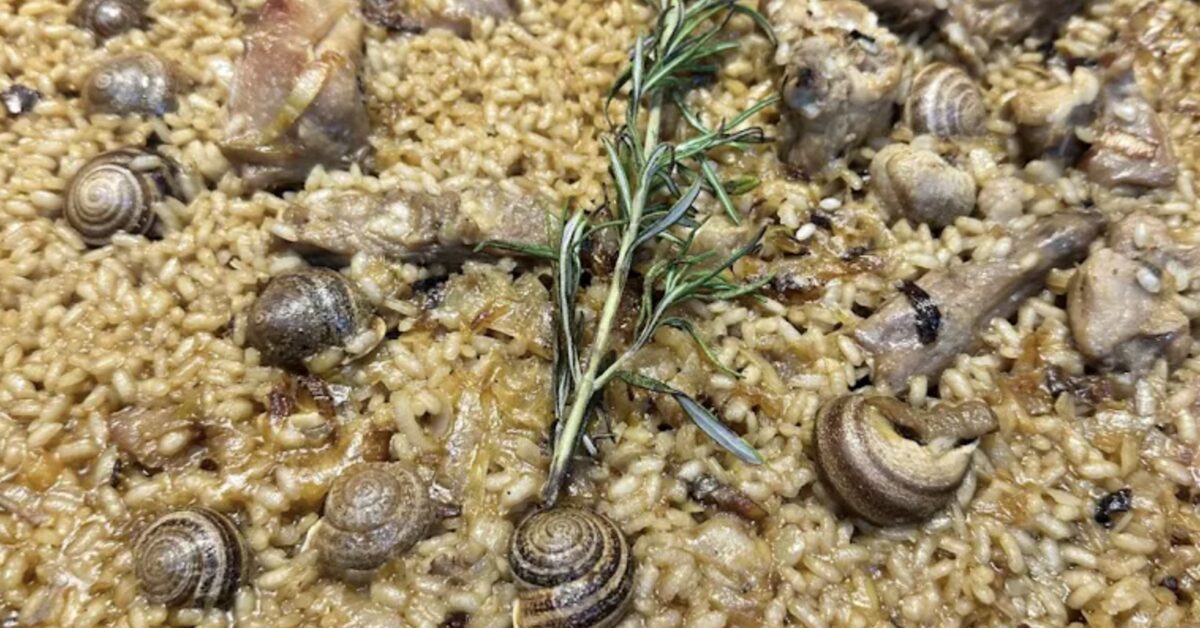
The larder is varied and nutritious, and rich in vitamins, minerals and compounds the body is grateful for. Extra-virgin olive oil leads the way: good fat, monounsaturated fatty acids that the body needs. Fruit and vegetables appear at every meal, with their fibre, vitamins and those antioxidants that look after the cells. Wholegrains — wheat, barley, rice — provide long-lasting energy and plenty of fibre. Nuts (almonds, walnuts, hazelnuts) contribute protein and healthy fat. Oily fish, rich in omega-3, appears several times a week. And fermented dairy — yogurt and cheeses — add calcium and quality protein. A dish that sums up the whole larder? A good rice. A Valencian paella of chicken and rabbit, cooked over charcoal as we prepare it at the tavern, shows that eating Mediterranean and eating well are not at odds. If you are looking for where to eat paella near you in Madrid, in another article we explain how we make it over a holm-oak fire.
Differences between the Mediterranean diet and other diets
Here lies the fundamental difference: this is not about cutting, it is about adding well. Many fashionable diets reduce calories or eliminate entire food groups. The Mediterranean does the opposite, betting on abundance and variety. Against saturated fats and ultra-processed foods, it prioritises the good fat of olive oil and nuts. Its carbohydrates come from wholegrains, fruit and vegetables, not refined sugars or white flour. And it is not something temporary that you abandon in March, frustrated. It is a way of eating for life, one that sustains itself without suffering. Another detail: international studies on the Mediterranean diet include wine in moderation — a glass of red or a cava at the end of the meal, like the one we serve ice-cold at the bar. Almost no other diet leaves that door open. Health here does not stop at the plate: the social, the cultural and exercise are all part of the package.
How to follow the Mediterranean diet correctly?
Essential steps to start the Mediterranean diet
Without rushing. That is the key to making the change stick, so you do not abandon it after a week. Start with the oil: extra-virgin olive oil for everything — cooking and dressing — out with butter and refined oils. Raise your fruit and vegetable intake to five portions a day, playing with colours and flavours. Swap white bread, pasta and rice for their wholegrain versions. Keep a handful of nuts to hand for a mid-morning snack. Add pulses two or three times a week: a hearty stew, a chickpea salad, a hummus. Give priority to fish, especially oily fish, at least twice a week. And finish with the usual advice: walk every day and sit down to eat with people. That pleasure of sharing a bite is exactly what inspired our tapas and sharing platters. Eating together, even if it does not appear in any nutritional table, is also part of the deal.
Weekly Mediterranean menu planning
Planning the week helps enormously to avoid reaching for the easy option when hunger strikes. A balanced menu calls for variety from Monday to Sunday. For breakfast: wholegrain bread with olive oil and tomato, or natural yogurt with nuts and a spoonful of honey, with fruit on the side. At lunch, vegetables in abundance: colourful salads, oven-roasted, steamed or charcoal-grilled vegetables. Carbohydrates from wholegrains — rice, pasta or quinoa — that satisfy and give long-lasting energy. Fish twice a week as a minimum, baked, griddled, grilled or stewed. Pulses regularly. Dairy in moderation, preferably fermented. And lighter dinners with vegetables, fish or eggs, always with a drizzle of olive oil. Eating out? No need to break the pattern. On our menu you will find fresh fish from the grill, vegetables and rice dishes that fit into any Mediterranean week without giving up the pleasure of a good table.
Common mistakes when adopting this eating style
There are pitfalls that keep coming up, and it is worth sidestepping them. The first is thinking that any olive oil will do. It will not: it must be extra-virgin to get its fatty acids and antioxidants intact. The second is falling short on fibre by forgetting that a large part of this way of eating consists of wholegrains, pulses, fruit and vegetables. Another classic is continuing to eat red meat every day, when the idea is to reserve it for the occasional meal and make room for fish, pulses and poultry instead. That said, a properly aged charcoal-grilled cut — like the ones that come off our grill — has its place here, as long as it is occasional and made from good raw material. It is also a mistake to dismiss nuts, which provide healthy fat and nutrients by the bucketful for the heart. And many people forget the body: exercise is part of the package, not just the plate. The last mistake is the most curious: complicating things with extreme, almost ascetic versions. The beauty of eating Mediterranean is the opposite — its simplicity and enjoyment. That is why it lasts a lifetime.
What are the healthy fats in the Mediterranean diet?
The role of olive oil in Mediterranean nutrition
If this cuisine had one star ingredient, it would be extra-virgin olive oil. Liquid gold, they call it, and that is no exaggeration. It is loaded with oleic acid, a monounsaturated fatty acid that the heart and metabolism notice for the better. But it is not just quality fat: it brings polyphenols and vitamin E, antioxidants that slow cell damage and inflammation. On the Mediterranean table it is used for everything — in the pan and raw. And in a charcoal-grill kitchen, a good extra-virgin drizzled on top is the natural finish for a fish or vegetables just lifted from the coals. Consuming it regularly lowers LDL cholesterol — the bad kind — without touching (or even raising) HDL, the good kind. Result: the heart is better protected. Its fats also reduce inflammation, and that has knock-on benefits throughout the body. The advantages of eating this way are tied to this oil. But it must be extra-virgin: that is where the concentration of goodness lies.
Benefits of nuts and essential fatty acids
Nuts are another cornerstone of this larder. In a small volume they concentrate good fat, protein, fibre, vitamins and minerals. Walnuts, almonds, hazelnuts, pistachios: all contribute fatty acids that care for the heart. Walnuts have their own plant-based omega-3, which is good for both the heart and the brain. Eating them daily — a handful — has been linked to lower cardiovascular risk, better management of type-2 diabetes and, surprisingly given their calorie content, keeping weight in check. They also provide fibre, vitamin E, magnesium and calcium. Their fats reduce inflammation and improve blood lipid profiles, lowering total and LDL cholesterol. The best part? They satisfy. That handful takes the edge off hunger, gives long-lasting energy and keeps obesity and chronic disease at bay. Proof that fat, when it comes from the right place, works in your favour.
How healthy fats reduce cholesterol
Several mechanisms come into play at once here. The monounsaturated fatty acids in olive oil and the polyunsaturated ones in nuts and oily fish lower oxidised LDL — the most dangerous form of cholesterol, the one that builds up as plaque in the arteries. Compared with the saturated fats of red meat and processed food, these fats improve the full picture: they not only cut bad cholesterol, they also sustain the good. The omega-3 in sardines, salmon and mackerel — fish that, incidentally, are vastly improved by the grill — reduces vascular inflammation, and vascular inflammation is one of the great dangers to the heart. You have spent years hearing "eat less fat", but the studies tell a different story: olive oil and nuts lower cholesterol better than low-fat diets. The quality of the fat matters more than the quantity. That is why, in Madrid and everywhere else, many nutritionists prescribe this pattern ahead of medication for those with high cholesterol.
What benefits does the Mediterranean diet have for preventing cardiovascular disease?
Reducing the risk of cardiovascular disease
Of all its benefits, this one is the most studied. Dozens of studies, from epidemiological surveys to clinical trials, point to the same conclusion: eating this way reduces heart attack, stroke, heart failure and death from cardiac causes. Why does it work so well? Because of the sum of its parts. The good fat from olive oil, nuts and oily fish, plus the fibre from wholegrains, fruit and vegetables, plus the antioxidants from all of that combined. Together they do far more than they would separately. Those fats improve arterial walls, lower inflammation, ease blood pressure and prevent clots from forming. Fruit and vegetables, with their potassium, help regulate blood pressure, and their antioxidants protect the arteries. On top of that, it lowers triglycerides — another factor worth keeping in check. The effect is so pronounced that international medical bodies use this pattern as the reference for preventing heart problems. Protection comparable to some medications, but without the side effects.
Controlling obesity and body weight
It seems contradictory, given the amount of healthy fat it contains. It is not. Eating Mediterranean helps to avoid weight gain and maintain a healthy weight in the long term. The trick? It really satisfies. The fibre from grains, pulses, fruit and vegetables, combined with the fat from olive oil and nuts, means the stomach takes longer to empty and you are not snacking all the time. Complex carbohydrates release energy slowly, without those insulin spikes that trigger sweet cravings and store fat. Since almost everything is real, minimally processed food, you fill your plate with nutrients rather than empty calories. And the grill helps here: charcoal concentrates the flavour of the produce without heavy sauces or frying, and that is felt both on the plate and in the body. Add in the exercise that goes hand in hand with this lifestyle. It is not just theory: Mediterranean populations have far lower rates of obesity than those following a Western diet. And without obsessively counting calories or going hungry.
Prevention of type-2 diabetes
Against type-2 diabetes, this pattern is one of the best shields that exist, and also a good tool for those who already live with it. Its carbohydrates — wholegrains, pulses, vegetables — have a low glycaemic index. Translation: they raise blood sugar slowly, not all at once, so they do not stress insulin management. Fibre slows sugar absorption and refines insulin sensitivity, so cells make better use of glucose. The good fats in olive oil, nuts and oily fish protect the pancreatic cells that produce insulin and reduce the chronic inflammation behind resistance. And the antioxidants in fruit and vegetables protect against the oxidative stress that accompanies the disease. The numbers are impressive: following this pattern can cut the risk of developing diabetes by more than half compared with a low-fat diet. In those who already have it, it improves control and, sometimes, reduces medication. Given how fast this disease is growing worldwide, and what it does to the heart, kidneys and nerves, that is no small thing.
How does the Mediterranean diet help with fibre and wholegrains?
The importance of wholegrains for digestion
Wholegrain cereals are a pillar of this way of eating, and digestion feels the difference. Refined grains lose almost all their fibre, vitamins and minerals in processing. Wholegrains, by contrast, keep all three parts intact: the bran full of fibre, the nutritious germ and the endosperm. When you eat whole wheat, barley, oats, rice or rye, you give the intestine what it needs to run smoothly. Insoluble fibre adds bulk and pushes transit along — goodbye constipation and lower risk of diverticulitis. Soluble fibre forms a kind of gel that slows digestion, prolongs satiety and stabilises blood sugar. And there is more: that fibre feeds the good bacteria in the gut, which in turn produce anti-inflammatory compounds that protect the colon. Rice, incidentally, is the quintessential Mediterranean cereal in Spanish cuisine — the one our rice dishes and paellas on the charcoal live by — and in wholegrain form it adds even more daily fibre, alongside a wholegrain bread that has been a staple for centuries. Swapping refined for wholegrain cereals is one of the changes that makes itself felt most. Digestion and metabolism both pay you back for it.
High fibre content for gut health
Fibre is a hallmark of this cuisine, and one of its most beneficial. It arrives from many sources: wholegrains, pulses, fruit, vegetables, nuts. So much that reaching the recommended 30 to 40 grams a day is easy — far above the average Western intake. And what does all that fibre do? It transforms the gut. It drives the growth of good bacteria, which release anti-inflammatory compounds and strengthen the intestinal barrier. It acts as a prebiotic, feeding those microbes that help digest food, synthesise vitamins and regulate the immune system. Along the way, it sharply lowers the risk of colon cancer, one of the biggest killers in wealthy countries. Fibre also traps bile acids and expels them, forcing the liver to use cholesterol to make new ones — less cholesterol in the blood. And because it satisfies, it helps you eat less without any sense of deprivation. Looking after the gut, in the end, is looking after everything else.
Combining fibre from fruits and vegetables
Combining the fibre from grains and pulses with that from fruit and vegetables is one of the most powerful moves in this cuisine. Because fruit and vegetables do not just bring fibre in abundance: they bring vitamins, minerals, antioxidants and phytochemicals that all work as a team. And their fibre is not the same as cereal fibre. It is rich in pectins and other soluble fibres that are especially good for cholesterol and blood sugar. Reaching the five daily portions this pattern calls for guarantees not only fibre but also potassium, folic acid, vitamin C, vitamin A and a host of antioxidants that keep chronic disease at bay. Colour is the clue. Each shade betrays a different phytochemical: the red of the tomato and its lycopene, the green of leaves with their chlorophyll and folate, the purple of aubergine with anthocyanins, the orange of carrots loaded with beta-carotene. The same colour-and-season criteria we use to choose the vegetables that go on the grill. That mix of vegetables with grains and pulses gives you all the types of fibre the gut needs, while at the same time fighting heart disease, diabetes, obesity and cancer. When plant-based foods are combined, they amplify each other.
What vitamins and nutrients does following the Mediterranean diet provide?
Essential vitamins from Mediterranean fruits and vegetables
The fruit and vegetables of this cuisine bring a range of vitamins that touches almost everything the body does. Vitamin C, from citrus fruits — oranges, lemons, mandarins — and also from peppers, tomatoes and leafy greens, is an antioxidant, strengthens the immune system and helps absorb plant iron. Vitamin A and its carotenoids, in orange and yellow produce such as carrots, squash and peppers, and in dark leaves such as spinach and Swiss chard, protect vision, the immune system and the skin. The B-group vitamins — folate, B6, B12 — are abundant in leafy greens, pulses and select animal foods consumed wisely, and they drive metabolism, the nervous system and red blood cell production. Vitamin E, from olive oil, nuts and leafy greens, protects cell membranes and gives the heart a helping hand. Vitamin K, from spinach, kale and parsley, is needed for clotting and for bone health. Such variety of fruit and vegetables provides, from natural and highly bioavailable sources, almost all the vitamins you need. Without resorting to supplement bottles, in most cases.
Dairy and quality protein contribution
The dairy and proteins of this cuisine round out a very complete nutritional profile. Dairy here means mainly natural yogurt and cheese, preferably fermented: alongside calcium, phosphorus and B-group vitamins, they add probiotics and high-quality protein. Nothing like the sugary, processed dairy products of other diets. The star protein is fish, and especially oily fish, which alongside its complete proteins brings the omega-3 the brain and heart appreciate. A fresh fish from the grill, with no more artifice than fire and a good oil, is probably the most Mediterranean way of eating protein there is. Pulses — chickpeas, lentils, beans — blend plant protein with fibre, iron, zinc and B-group vitamins, and they are cheap and sustainable. Eggs, in moderation, provide top-quality protein with choline and vitamin D. And lean meat, above all poultry, appears occasionally with its iron and B12. Such variety covers all the essential amino acids while keeping red meat — associated with higher risk of heart disease and cancer — in check. Good protein, from many sources.
Nutritional balance for a complete and healthy diet
If one thing defines this cuisine it is balance, and that is why it is among the most complete in existence. It effortlessly combines the complex carbohydrates of grains, fruit and vegetables, the healthy fat of olive oil, nuts and fish, and protein from a thousand sources. The result is a distribution of macronutrients that the metabolism understands immediately. On top of that, the micronutrients from so much fruit and vegetables — vitamins, minerals, antioxidants, phytochemicals — complete the picture. There lies the key: nothing in excess, nothing lacking. Proportions that have been working for millennia. Add in the exercise that goes hand in hand with this way of life, which refines insulin sensitivity, builds muscle and bone and tunes the metabolism. And there remains the ingredient that appears in no nutritional table: the shared table. The long lunch, the dish at the centre, the conversation. That is as Mediterranean as the olive oil, and it is still alive in the restaurants and taverns of Cava Baja, Madrid, the street where we light the charcoal every day. The ten benefits of this cuisine — from the heart to diabetes, from the mind to cancer — come from exactly here, from that balance that nourishes the whole person. The promise is not just to live more years. It is to live better.